Why we deliberately mix three year groups
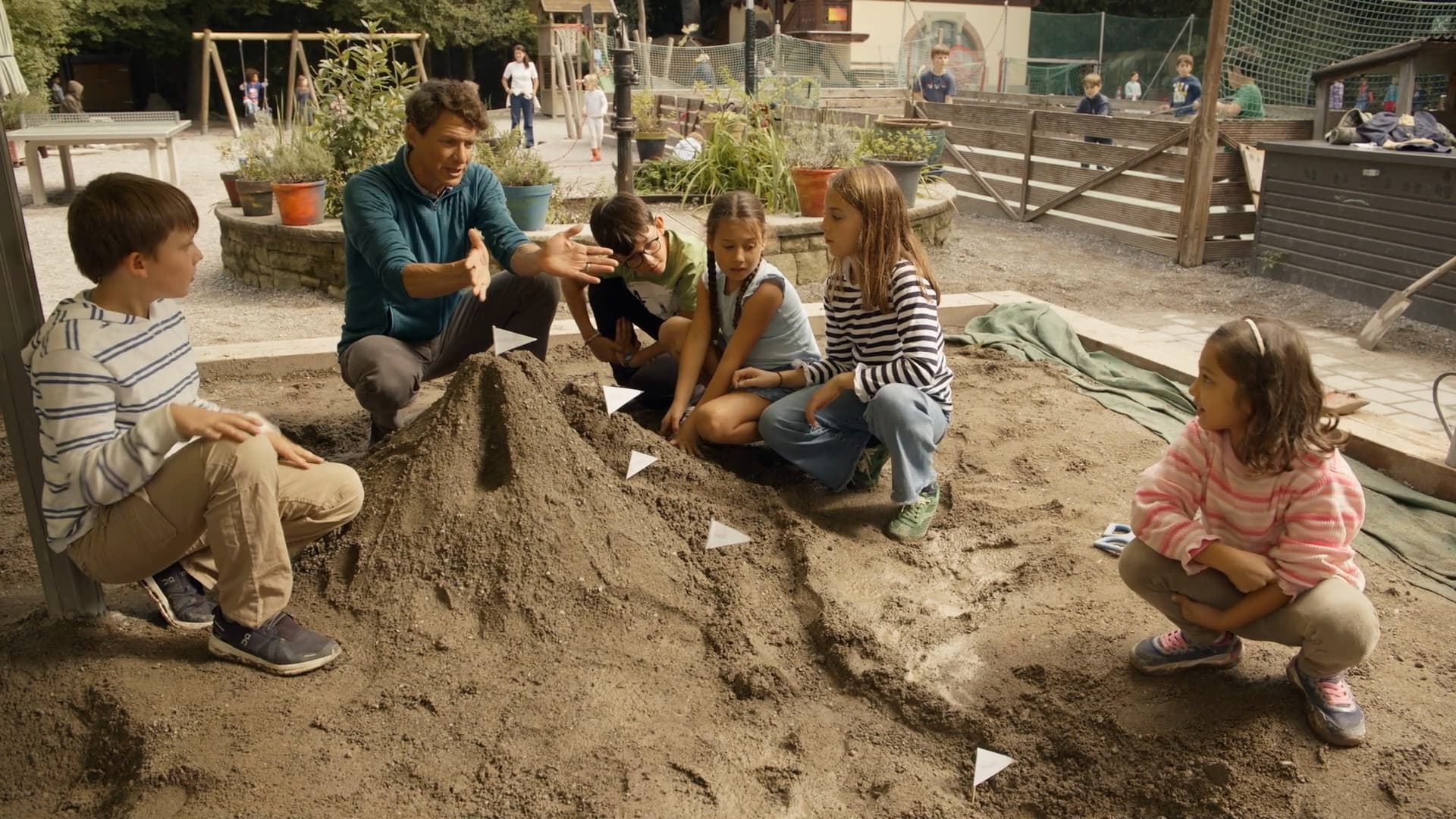
Mixing three year groups has always been a guiding principle for us. Three- and six-year-olds, or nine- to twelve-year-olds, in the same group: that isn't coincidence but an essential part of our pedagogical concept — and one of the most effective levers of Montessori pedagogy.
In our groups, children learn together across three year groups: Children's House (3–6 years), Lower School (6–9 years) and Middle School (9–12 years). It is the least of all an organisational matter — it fundamentally changes how learning unfolds.
First observe – then take on responsibility
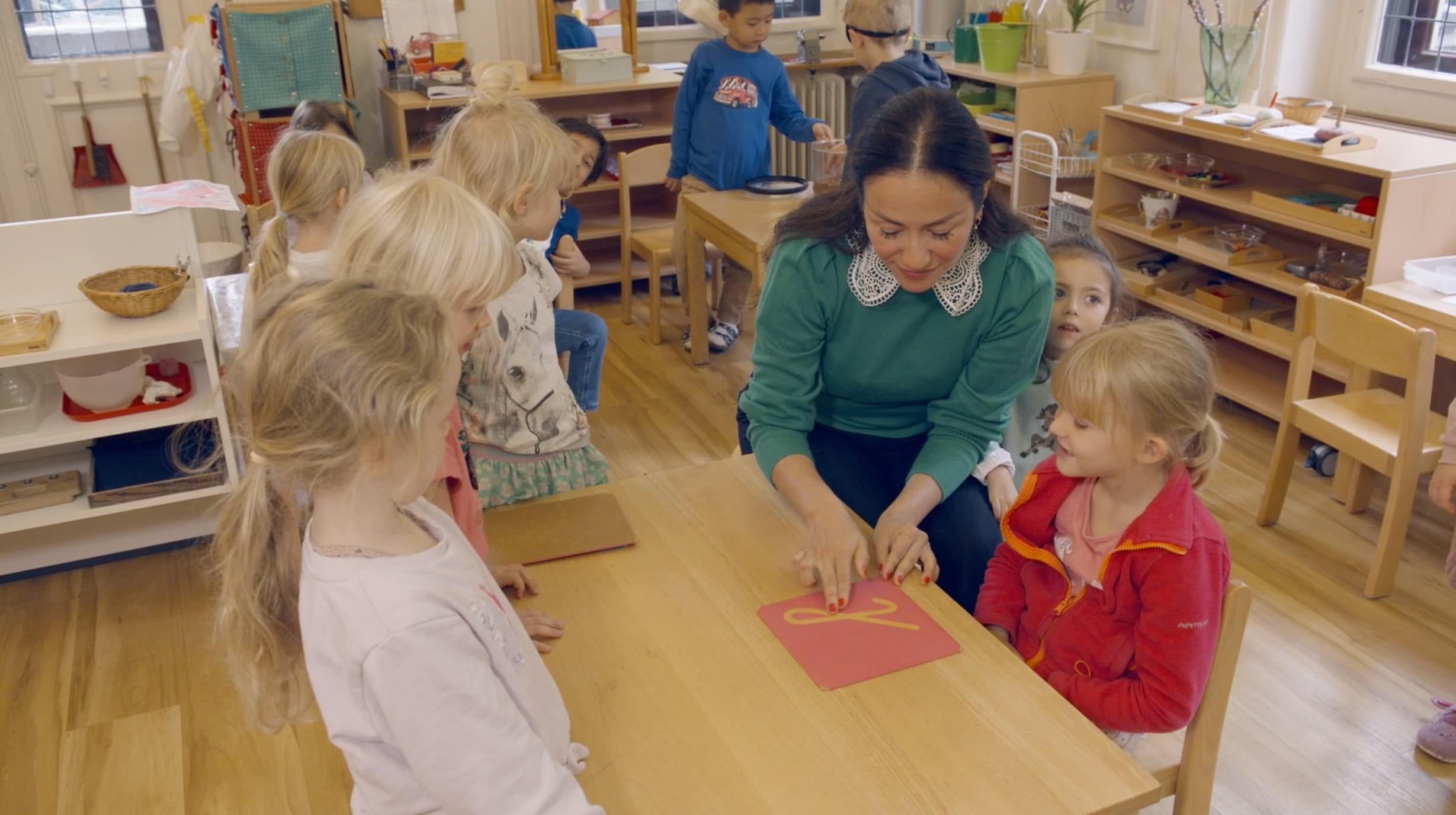
Younger children watch the older ones, pick things up, ask questions. They see what will soon be possible — it stimulates, inspires and awakens a natural curiosity no textbook can replace. Older children, in turn, explain, help, take on responsibility. Anyone who explains something so that the other can follow only truly understands it themselves.
No competitive pressure
This diversity dissolves competitive pressure. The opportunities to compare with peers of the same age are very limited. Everyone stands at quite different points anyway. Instead, friendships form across age boundaries, and every child finds role models among the older ones and, among the younger ones, other children who need their support.
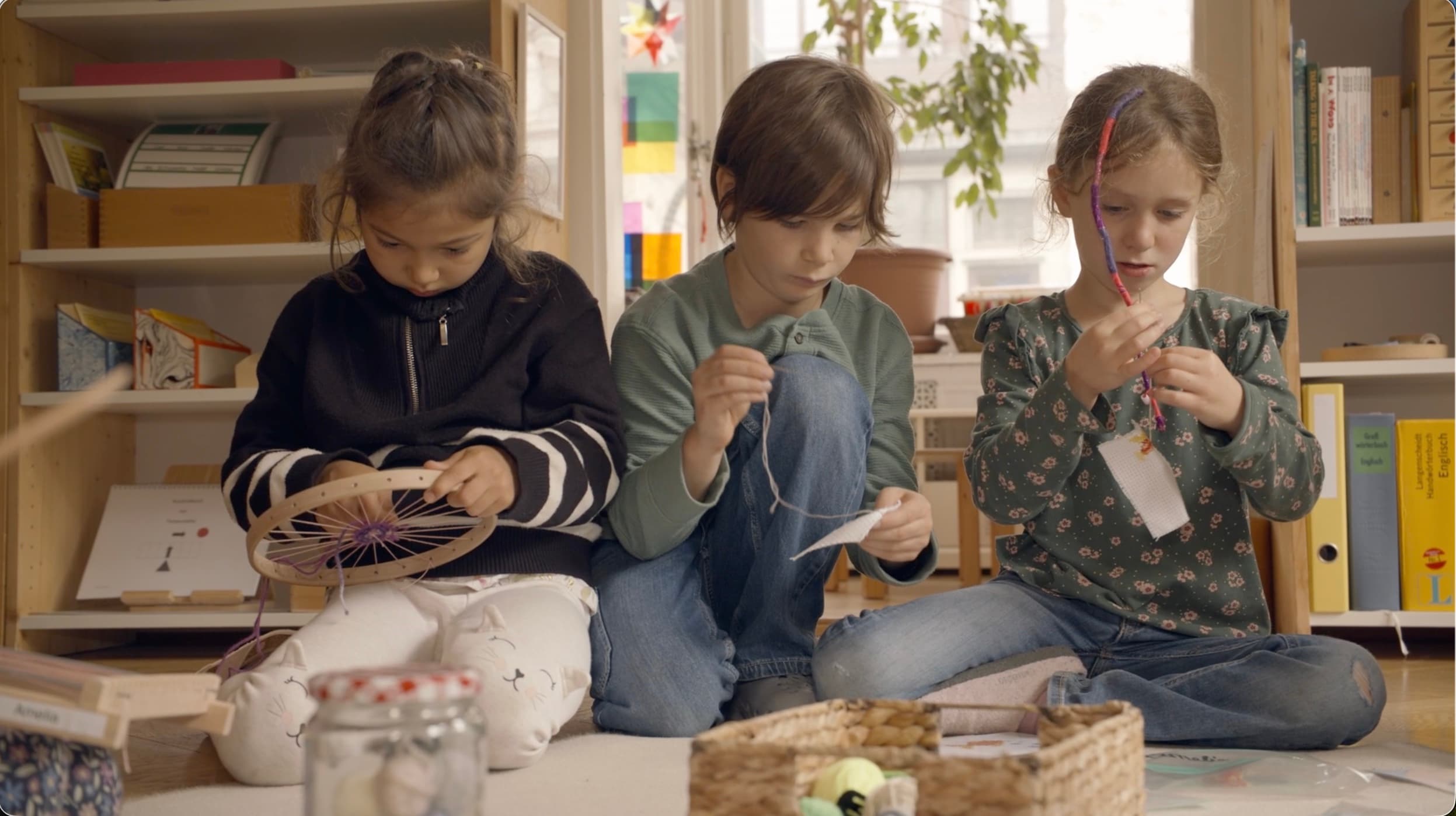
Over three years, a child experiences three different roles: as the youngest, the role of the learner; then that of the established, self-assured one; and finally, as the oldest, that of the responsible one. These role shifts are a school for life — and they arise quite naturally, simply through being together day after day.